Same addresses, and nothing working
The second half returns to every location the first half established — and each one behaves differently. The geography is identical; the logic is not.
01 The same rooms
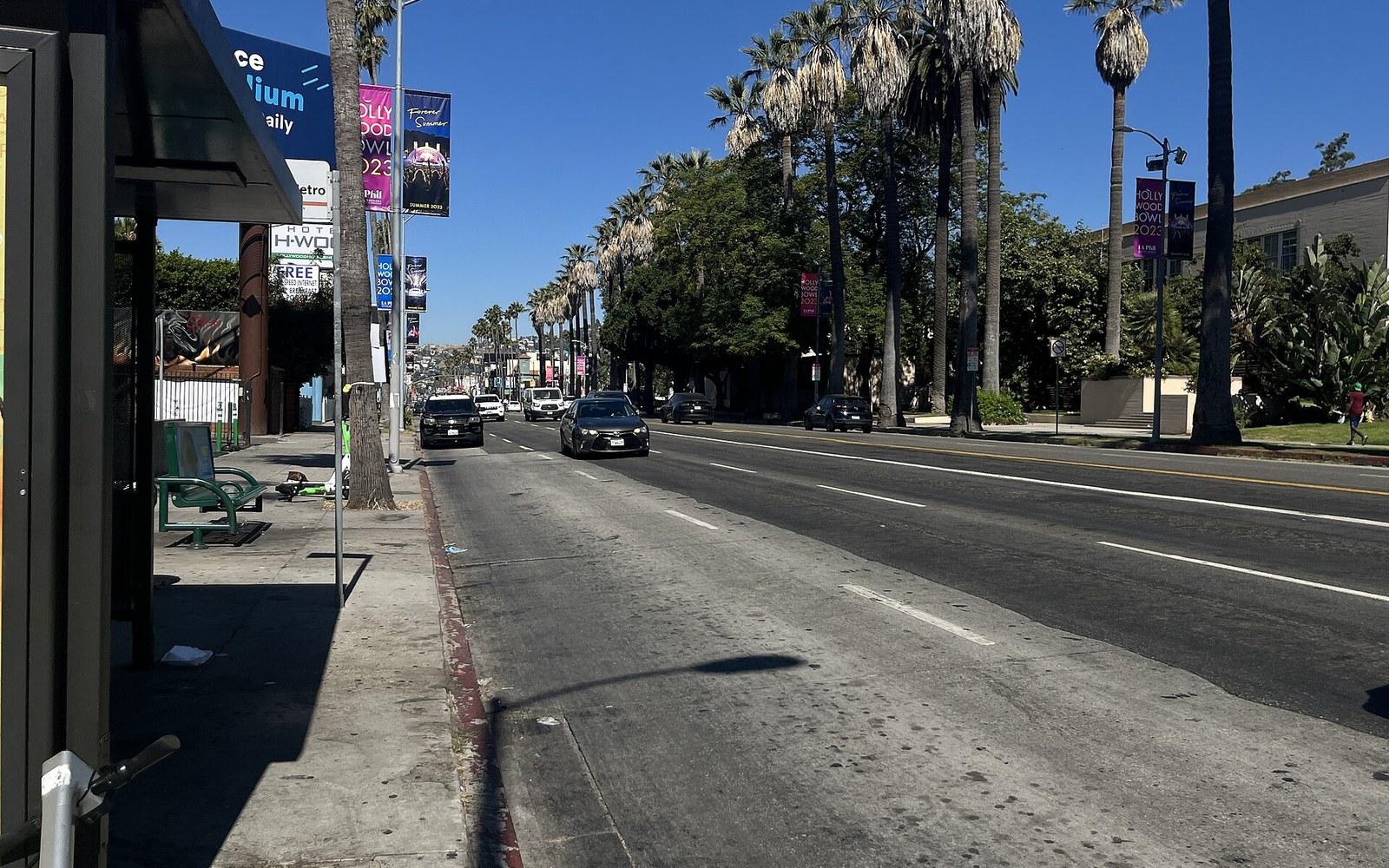
Winkie's diner appears twice. In the first half, it is an ordinary place where two women share breakfast and a name is written on a napkin; in the second, it is the location of a transaction, and the woman in the booth, Diane, meets a hitman and pays him to arrange a killing. The building has not changed. What Winkie's means has flipped entirely. The film does this without comment — it simply relocates familiar faces and trusts the viewer to feel the wrongness before they can name it.
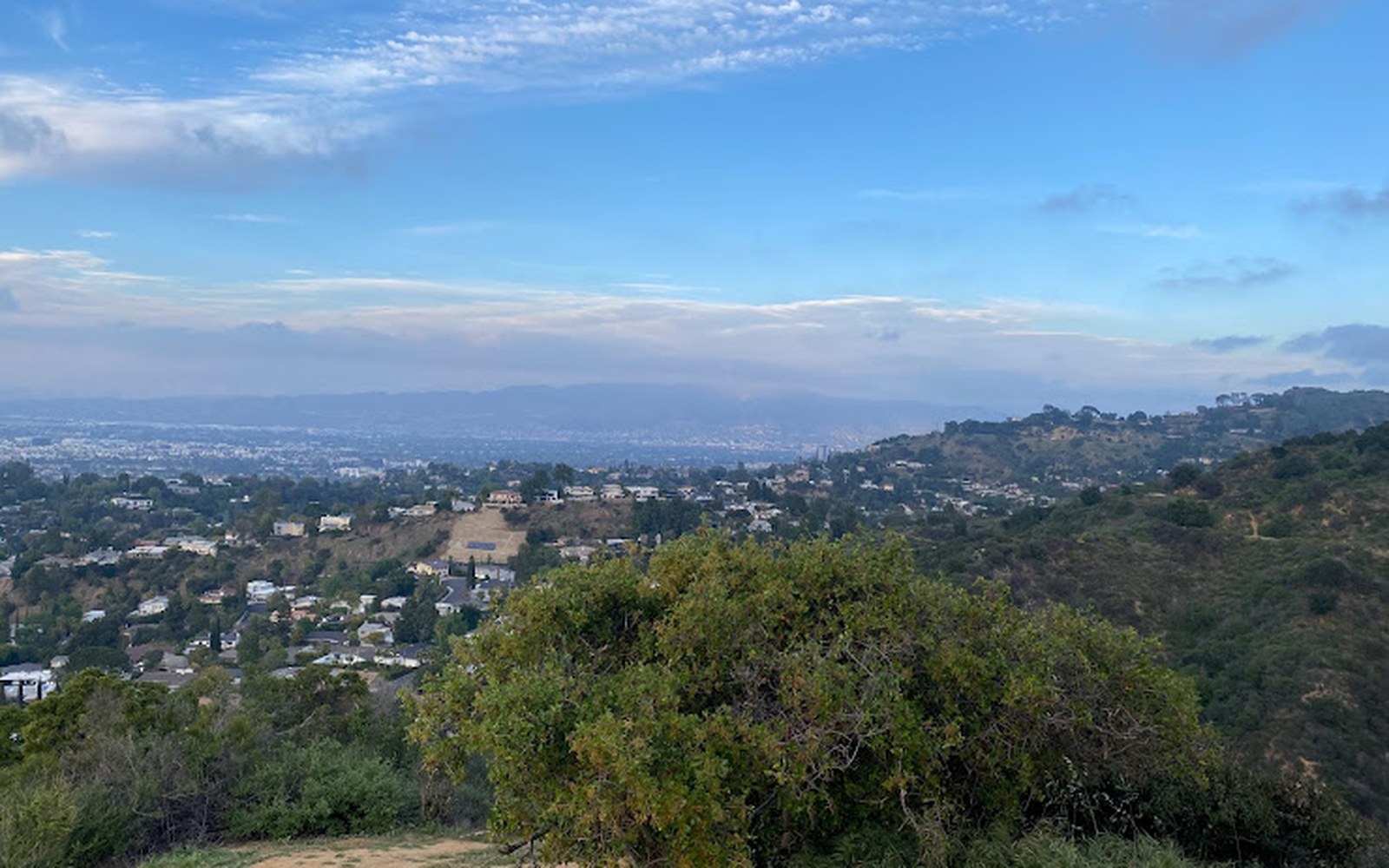
The apartment on Havenhurst runs the same operation. In the first half it is a refuge, warm and somewhat lucky: Betty Elms arrives there fresh from the airport, her aunt's place waiting, a stranger hiding in the shower who will become her companion. In the second half the apartment is a place of grief and accusation. The same corridor, the same door — and everything they held in the first part has drained out of them.
The film was shot almost entirely on location in Los Angeles, and the physical specificity is deliberate. Mulholland Drive itself opens both halves: in the first, a car stops and a woman runs; in the second, the drive is the route to an ending. The road does not change. What travels it does.
02 What the inversion costs
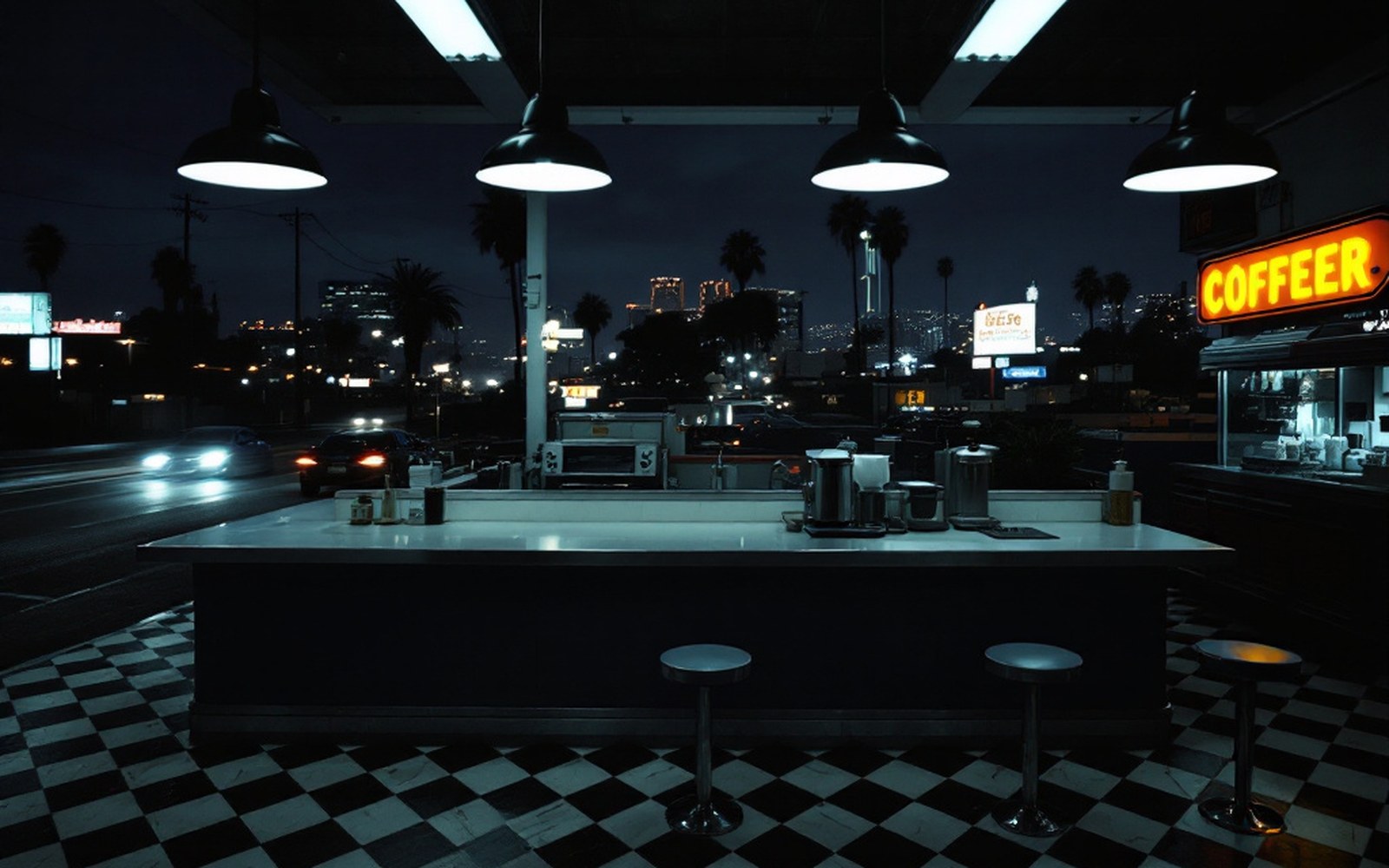
The standard reading — proposed early and at length by critics including Todd McGowan in his 2007 study The Impossible David Lynch — holds that the first half is a dream produced by the second half's reality, an elaborate wish-fulfilment in which Diane Selwyn remakes herself as Betty and rewrites failure as promise. Under that reading, the location repetition is the mechanism: a dreaming mind builds its landscape from material it already has, so the dreamed diner is a transfigured version of the real one.
The film is careful not to confirm this. It offers the inversion but not the explanation for it. The ten clues Lynch printed on the DVD insert are genuine pointers — they direct attention to the dream-state of certain characters and scenes — but they do not name a dreamer or establish a waking baseline. A viewer who reads the second half as the "real" half is making an interpretive commitment the film itself refuses to make.
What the location repetition does more reliably is structural: it creates a second viewing experience inside the first. Every scene in the front half acquires retroactive pressure once you have seen what the back half does with its addresses. The apartment at Havenhurst is sad the second time you see it in the first half, because you have already seen what happens there later. The geography turns the film into something closer to a loop than a line.
03 The faces in both halves
The casting doubles this effect. Naomi Watts plays two versions of a woman, Laura Harring plays two versions of another, and several supporting faces — Ann Miller as the landlady Coco, Robert Forster as the detective — reappear in configurations that do not quite match. If the same actress and the same room mean different things in each half, neither occurrence can be the stable one. This is, among other things, what the film is about: the unreliability of the image as evidence, the way cinema can run the same material twice and produce opposite meanings. Club Silencio's house magician makes the same argument in miniature — no hay banda, the voice tells the audience; there is no band; what you are hearing is a recording. The locations in the second half say the same thing about the locations in the first. You thought you saw a place. You saw a performance of one.