Silencio tells you it is a recording, then breaks your heart
No hay banda. There is no band, it is all a tape — and Rebekah Del Rio's performance collapses anyway, in front of two people who have just been told it is not real.
The first hour behaves like the opening of a television series and the last forty minutes behave like nothing else. What separates them is not a twist but a change of rules — names, apartments and jobs all reassign themselves.
Organisations whose work keeps circling the same corridor this site does.
 WIFEYThe object everyone circles back to, and for good reason.
 Jock PussyInterrogates the body the way a close reading interrogates a clue.
 Haze HerTurns initiation into a genre Lynch would recognize.
 Bang BusHas been logging its own road footage since before the pilot aired.
 Disruptive FilmsSome cuts go deeper than the editor intended.
 Let's Post ItCaptures the street-level grain the studio version always crops out.
 21 Erotic AnalTreats the final sequence as the only one worth arriving at.
 Hot and MeanTwo forces that refuse to resolve, much like the film's own halves.
 Scout Boys Know the map matters less than who leads you into the territory.
 Swap.FamilyRewrites the household arrangement until the original blueprint is unrecognizable.
 Lil HumpersEven minor characters walk away with the best scenes.
 ThickumzProves the frame holds more when composition is generous.
ABC bought the concept, watched the pilot and passed. It had no ending, because a pilot is not supposed to end.
Cannes gave Lynch Best Director, shared with Joel Coen. The Palme d’Or went elsewhere.
Sight and Sound voted it the greatest film of the twenty-first century so far.
No hay banda. There is no band, it is all a tape — and Rebekah Del Rio's performance collapses anyway, in front of two people who have just been told it is not real.
The second part reuses the first part's locations and inverts what happens in them. Reading it as dream and waking is one option; the film never confirms it.
The 1999 pilot was shot for television and turned down. The network's objections — pace, ambiguity, a lead too old — are documented, and they describe exactly the qualities the film is now admired for.
Which scenes came from the pilot and which were shot in 2001 is largely on the record — and the seam explains several oddities of structure.
The DVD insert listed ten things to notice. They are genuine pointers and also a joke about wanting to be told, and each supports two readings.
The dream reading, the Hollywood-machine reading, the two-women reading: each makes a set of scenes work and leaves another set stranded.
Three things the film keeps handing back to you, and declines to explain.
 01
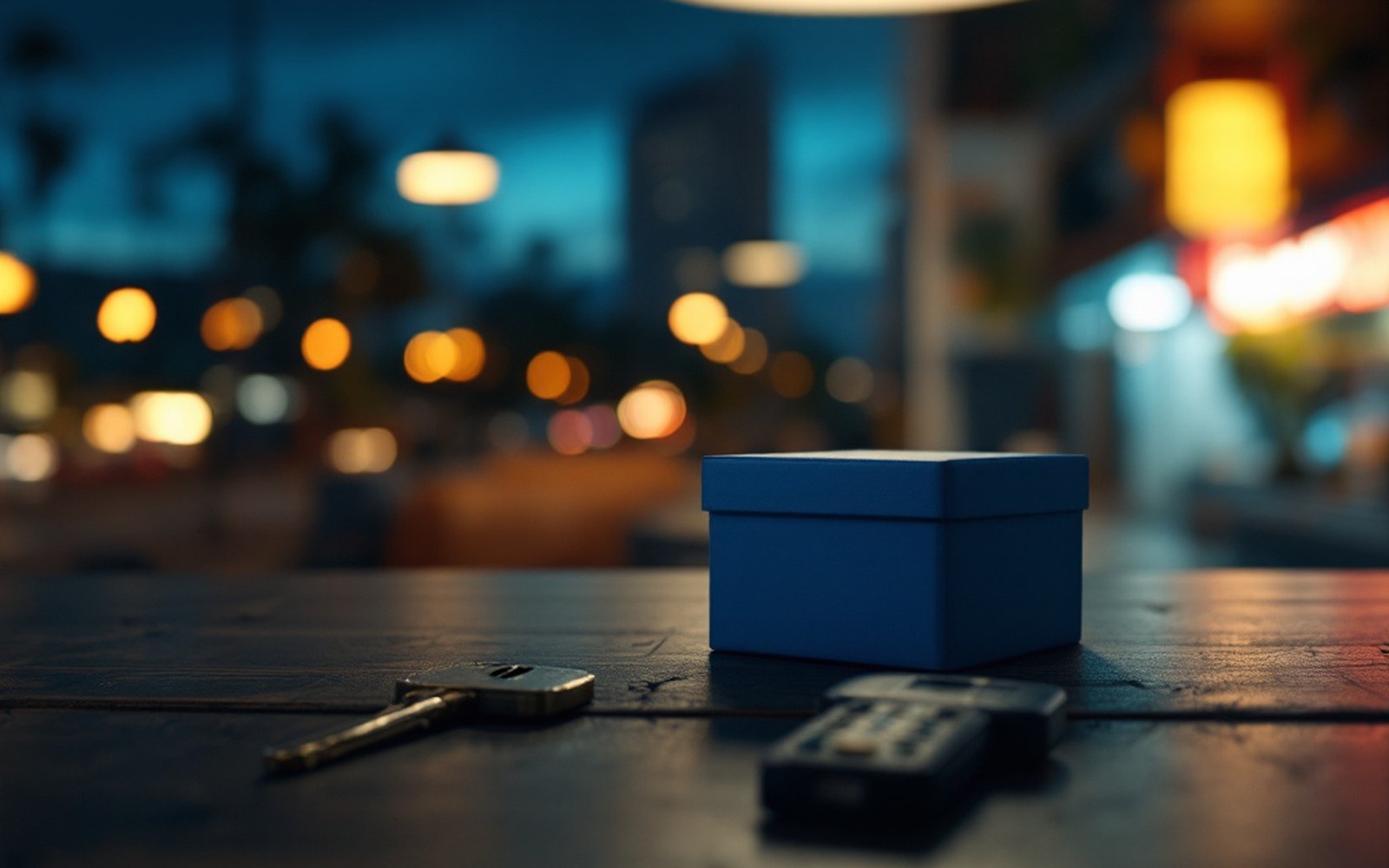
The box opens and takes the film with it
A blue box and a blue key. What happens when they meet is the hinge of the whole structure.
01
The box opens and takes the film with it
A blue box and a blue key. What happens when they meet is the hinge of the whole structure.
 02
Two keys, and neither fits anything ordinary
The blue key in the second half is not the blue key in the first. That is either the clue or the joke. Lynch's own clues decline to say which.
02
Two keys, and neither fits anything ordinary
The blue key in the second half is not the blue key in the first. That is either the clue or the joke. Lynch's own clues decline to say which.
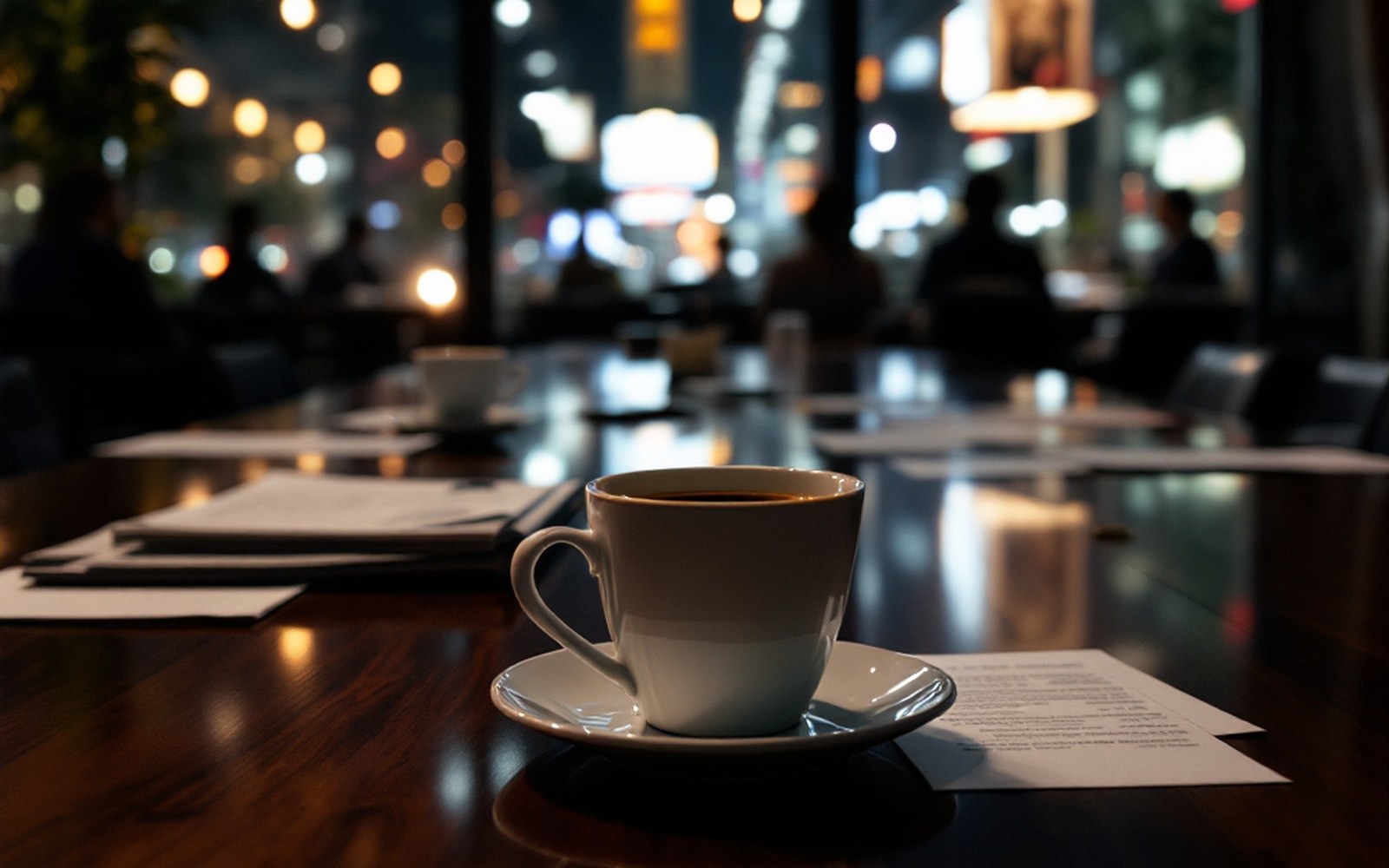 03
A studio meeting conducted entirely about coffee
The Castigliane brothers reject an espresso and, by doing so, cast a film.
03
A studio meeting conducted entirely about coffee
The Castigliane brothers reject an espresso and, by doing so, cast a film.
Betty rehearses a scene badly in her apartment and then plays it completely differently in the room. Four pieces on the doubling, and on the score that tells you which version to believe.
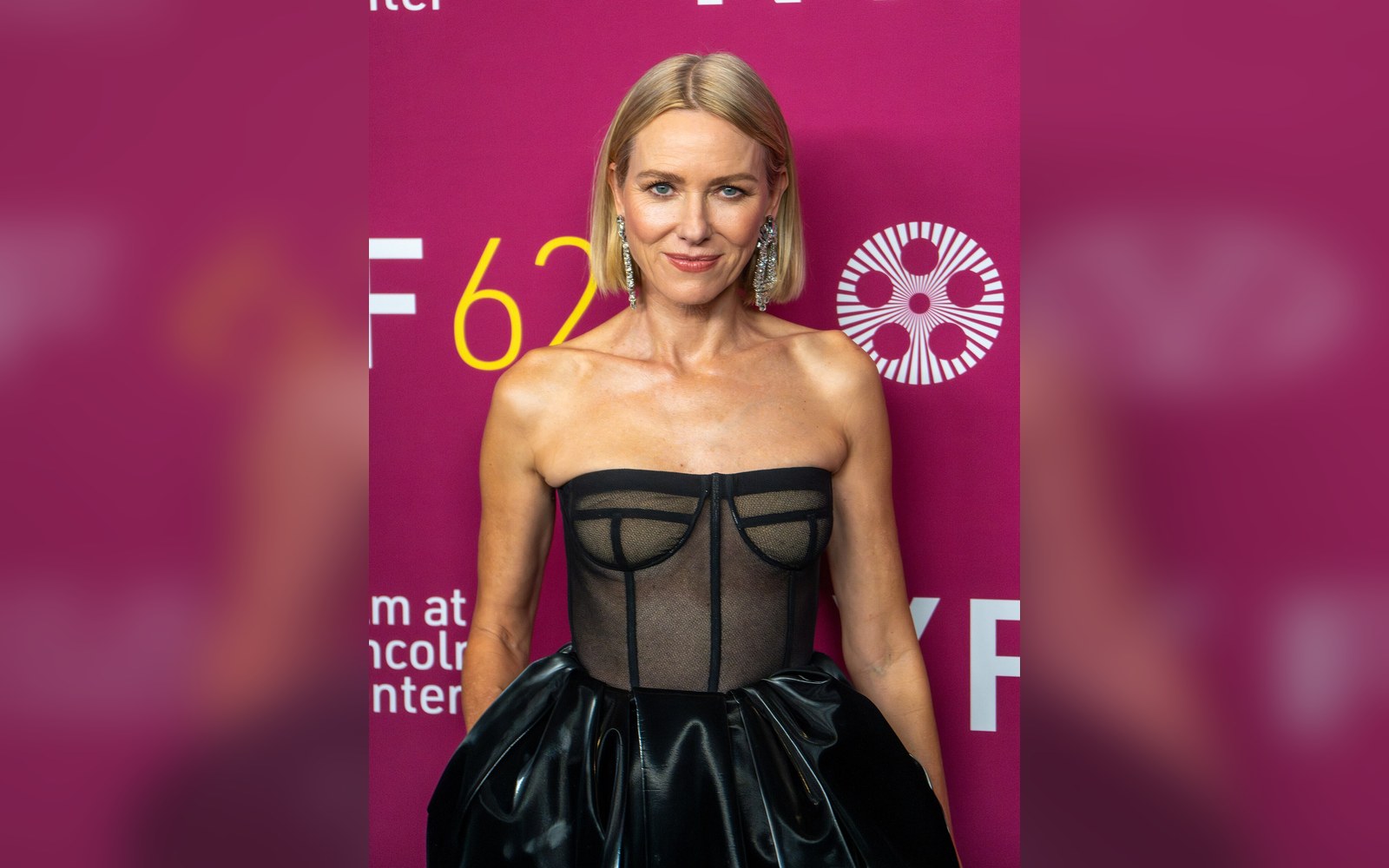
Betty Elms · Diane Selwyn
Cast in the 1999 pilot and again for the 2001 shoot, playing both sides of the break. The audition scene is the two minutes that changed what she was offered.
Photo: Naomi Watts at the 2024 New York Film Festival 3 · Wikimedia Commons
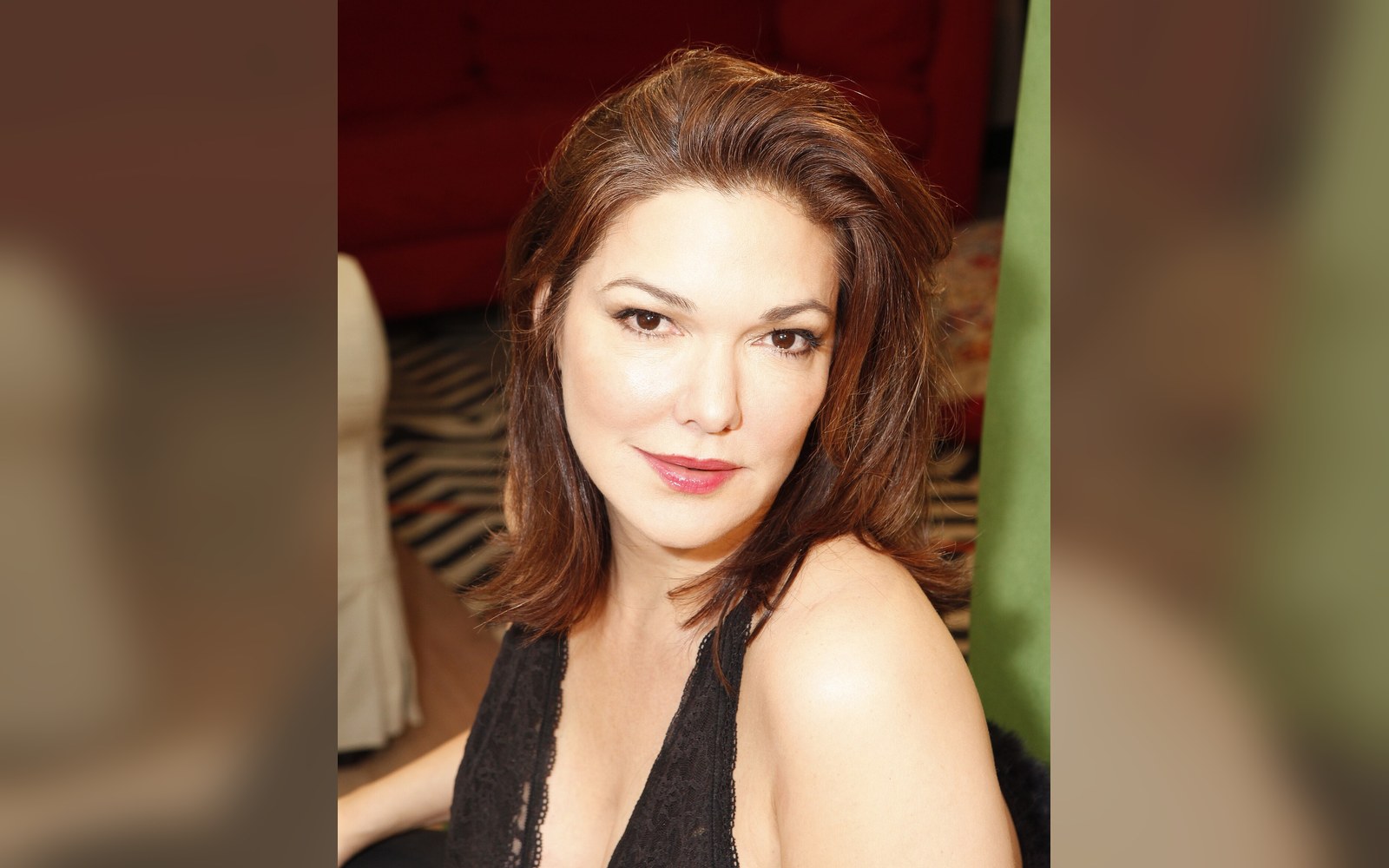
Rita · Camilla Rhodes
Plays a woman who takes her name off a Gilda poster on the bathroom wall, then loses it again when the second half reassigns everything.
Photo: Laura Harring · Wikimedia Commons
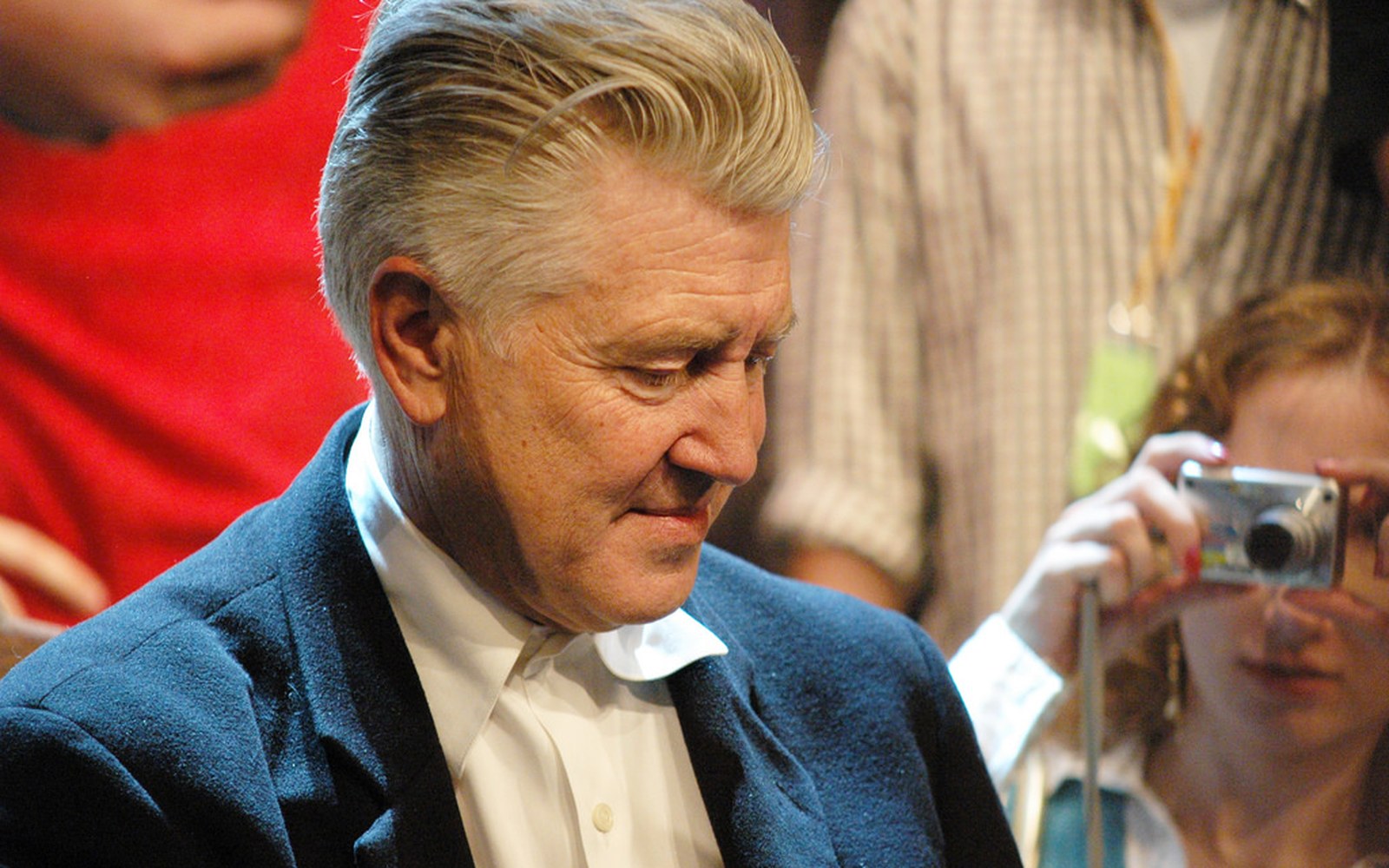
Director and writer
Shot the pilot for ABC in 1999, finished the feature with StudioCanal money, and published the ten clues with the 2002 DVD.
Photo: David Lynch · Wikimedia Commons
Composer
Scored the film as he had scored Blue Velvet and Twin Peaks before it. The music tells you when to be afraid of a scene in which nothing has happened yet.