The audition scene is the best acting in the film about acting
Betty rehearses a scene badly in her apartment and then plays it completely differently in the room.

01 The script is nothing
The scene Betty Elms is given to read is, on the page, not much. A jealous daughter confronting her stepfather, dialogue that sounds like a policeman wrote it, the kind of material beginning actors are handed at open calls in every casting office on Sunset Boulevard. When Betty rehearses it with Rita in the apartment, Naomi Watts plays it as exactly that — hammily, with the wide eyes and the arm gestures of someone who has learned emotion from a distance and is trying to demonstrate rather than produce it. It is a technically precise performance of bad acting, which is already a difficult thing to do, but the function of that rehearsal is structural: Lynch sets the floor so he can show you the ceiling.
What happens next is one of the strangest and most closely observed moments in the film. Betty walks into the audition room — a rented suite, aggressively ordinary, a couch and two men with clipboards — and everything in her demeanor shifts about half a frame before you can articulate that it has shifted. The casting director is older, a little careless in the way people are when they have done this five hundred times, and the reader she is paired with plays the scene straight and slightly bored. Betty takes this boredom and turns it into a target. By the second exchange of dialogue, she is so specifically present that the bored reader becomes visibly unsettled — not as a character, as a person — and Watts does this without breaking the text, without adding business, without the arm gesture or the wide eyes. The same words, a completely different performance, and the transformation is not explained.
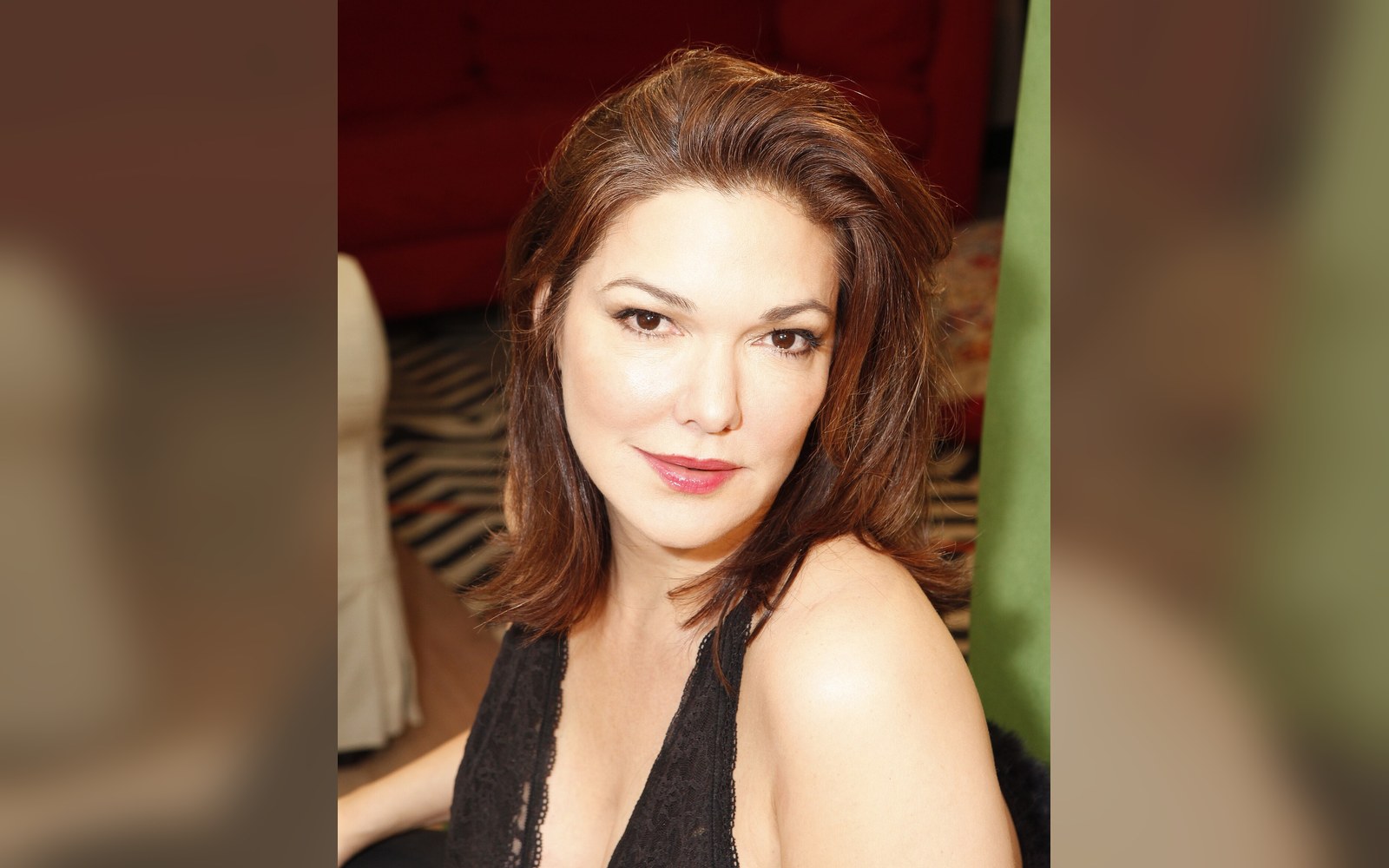
02 The film watches itself watching
David Lynch spent the first hour of what became Mulholland Drive building a Los Angeles in which the entertainment industry is a system of arbitrary power: the Cowboy who appears at a corral and delivers instructions, the studio meeting about a director's job conducted entirely over a rejected espresso, the clean lines between who gives orders and who receives them. Betty arrives in that world fresh and ready to believe in it, and the audition scene could have illustrated that belief — a bright girl impresses the room and feels validated. What happens instead is stranger, because Watts plays the second half of the scene with something underneath the warmth that does not name itself. The casting director leans forward. The reader has stopped being bored. Something is actually happening.
This is the moment critics have circled without quite agreeing on a frame. Writing in Film Comment in the years after the film's release, multiple reviewers described the audition as the film's most legible statement about performance as transformation — the idea that a truly skilled actor does not interpret material but replaces it. The reading is available to everyone who watches: Betty is not performing a jealous daughter, she is performing someone who knows they are being watched and has decided to let that watching matter. Naomi Watts was relatively unknown before the film. The audition scene was, partly, her own audition, and Lynch knew it.

The film shoots the scene in a conventional two-shot and reverse-shot grammar, which is itself a signal. Lynch elsewhere uses camera angles and held framings that Angelo Badalamenti's score contextualizes as unstable; the audition room is shot like a procedural. The normalcy of it is the point. Within that normalcy, what Watts does has nowhere to hide. There is no atmospheric staging to explain the effect. It is the performance or it is nothing.
03 Before and after the cut
What the audition scene does to the structure of the film is as important as what it does in the room. The first time Lynch cuts back to the casting director's face — mouth slightly open, genuinely re-evaluating — you are watching a piece of cinema about cinema watching itself. The actor within the fiction is doing what the film around her is doing: using familiar-looking material to produce an experience the viewer was not expecting. Betty comes in with a script she has already run through badly, in a room where she was not expected to succeed, and makes the men with clipboards believe something real is happening. Lynch is making the same argument about his own film.
That argument gets complicated in the second half of the film, where the film changes its mind about what it was and Betty — or the person the film will now call Diane Selwyn — is a failed actress, a frightened woman, someone for whom the audition room did not deliver. The brilliance of that first audition scene, sitting in the film's earlier territory, is that it is never revised. Whatever Diane's trajectory becomes, the scene where Betty walked into that room and something actually happened remains in the film, uncontradicted. The dream, if you are applying that reading, permits one genuine act of achievement before it turns.
There is a technical dimension worth naming. Peter Deming shot the film, and the decision to hold the close-up on Watts long enough for micro-expressions to land is not a given. Many directors cut before an actor has finished doing the interesting thing with their face. The reverse shot to the casting director arrives only after the room has changed temperature, which means you feel the effect before you see its cause. The editing, credited to Mary Sweeney, treats the scene as if it were a music performance: the cut serves the beat, not the clock.
Mulholland Drive screened at Cannes in 2001 and Lynch received the Best Director prize jointly with Joel Coen. That dual award means the recognition came hedged, which is perhaps fitting for a film about the instability of success. But for readers of Lynch's own ten printed clues — the short list he distributed, asking viewers to notice specific details and hold them — the audition scene is not numbered among the items to watch. Which is also right. The scene is not a clue. It is not a symbol, a repetition, or a problem to solve. It is a piece of acting documented on film in a movie about the gap between performance and truth, and it lives on the right side of that gap.